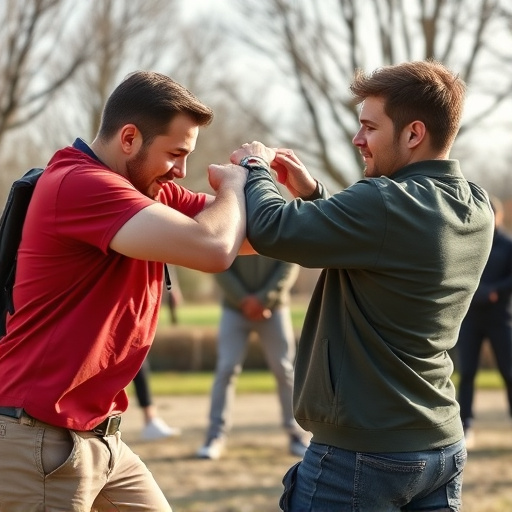
College students face unique personal safety challenges, making comprehensive self-defense training crucial. This goes beyond physical techniques, encompassing risk assessment, conflict de-escalation, and understanding body language. Tailored programs equip students with practical tools like pepper spray and location-sharing apps, along with strategies for managing stress and responding to cyber-harassment. Many colleges offer specialized workshops and engage local communities for enhanced security, empowering students to navigate campus life safely and independently.
“Ensuring safety is paramount for college students, especially in navigating bustling campuses. ‘Self-Defense for College Students’ explores the unique self-defense needs in this environment. We delve into understanding the specific challenges faced by students, offering practical skills and strategies to empower them. From basic martial arts techniques to situational awareness, this guide equips you with tools for personal safety. Additionally, we highlight valuable resources and community engagement initiatives, emphasizing that collective efforts strengthen individual security.”
Understanding Self-Defense Needs in College Environments
College environments present unique challenges for personal safety, making self-defense training crucial for students. Unlike high school or home settings, college campuses offer a more independent and often isolated lifestyle, where students may face unexpected situations alone. Self-defense for college students goes beyond basic physical techniques; it equips them with the knowledge to assess risks, avoid dangerous areas, and de-escalate potential conflicts.
Understanding self-defense needs in this context involves recognizing that every student has distinct circumstances. Factors like living arrangements, daily routines, and personal comfort levels influence their exposure to various threats. Training should thus be tailored to address these individual differences, providing practical strategies for navigating social situations, managing stress, and responding effectively if faced with physical harm or even cyber-harassment, a prevalent concern among college students today.
Practical Skills and Strategies for College Students
For college students, learning self-defense goes beyond just knowing how to physically protect oneself; it’s about gaining practical skills and strategies tailored to navigate the unique challenges of campus life. Beyond basic martial arts or self-defense classes, students can benefit from training in de-escalation techniques, allowing them to diffuse potentially dangerous situations through verbal cues and non-violent resistance. Understanding personal space and body language becomes crucial, enabling students to recognize and avoid potential threats before they escalate.
Additionally, college students should be equipped with a range of practical tools for self-defense, from pepper spray and personal alarms to self-defense keys. Online resources and apps offering safety features like location sharing and emergency alerts can also prove invaluable. Regularly practicing these skills and staying aware of one’s surroundings are key to maintaining safety and security while navigating the independence and opportunities of college life.
Additional Resources and Community Engagement for Safety
Many colleges offer specialized programs and workshops focused on self-defense for college students, providing valuable resources beyond basic martial arts training. These programs often include risk assessment strategies, personal safety apps, and emergency response planning, empowering students with practical tools to navigate their academic environment securely.
Community engagement is another vital aspect of enhancing student safety. Local law enforcement agencies, campus security, and neighborhood watch groups can offer insights into potential threats and safe zones. Students encouraged to participate in these networks gain access to real-time information, creating a collective effort to ensure the well-being of everyone within the community, particularly when it comes to self-defense for college students.