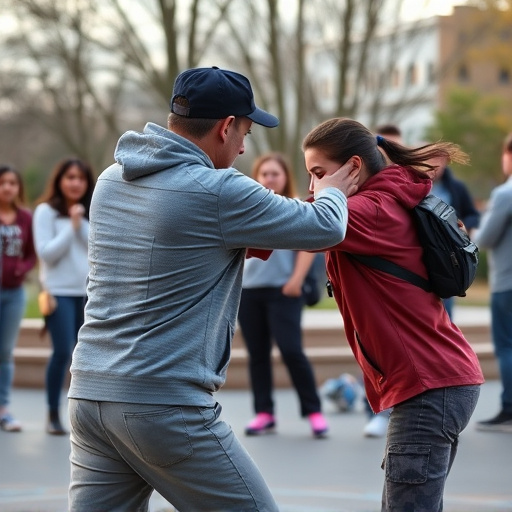
College students navigating new, bustling campuses need robust personal safety strategies. This involves developing situational awareness through identifying safe routes and potential hazards, understanding local security measures, and regularly practicing heightened alertness. Essential self-defense skills include threat recognition, verbal de-escalation, and physical techniques taught in specialized classes or martial arts training. Tech tools like panic buttons, GPS tracking, and VR simulations enhance safety, while building a strong support network through friends and community engagement bolsters resilience. Comprehensive emergency preparedness plans involving security protocols, contact lists, and practical skills like using alarms or pepper spray ensure students are equipped to handle unexpected crises.
Ensuring personal safety is paramount for students navigating campus life. This comprehensive guide explores essential strategies to safeguard your well-being, from understanding your surroundings and mastering self-defense techniques to leveraging technology and building supportive networks. Armed with these tools, college students can enhance their security, fostering a sense of empowerment in any environment. Discover practical tips on self-defense for college students, covering everything from awareness to emergency preparedness.
Understanding Your Surroundings: Awareness for College Students
Understanding your surroundings is a fundamental aspect of personal safety, especially for college students navigating new environments. College campuses often present unique challenges due to their bustling nature and diverse populations. Students should develop an awareness of their immediate area, including identifying safe routes between classes or dormitories and public spaces. This involves recognizing potential hazards, such as poorly lit alleys or areas with limited visibility, and understanding local security measures.
By cultivating a heightened sense of awareness, college students can enhance their self-defense capabilities. It encourages them to stay alert, notice suspicious activities, and quickly assess dangerous situations. Regularly practicing situational awareness ensures that students are prepared to react swiftly if needed, promoting their overall safety while pursuing higher education.
Essential Self-Defense Techniques Every Student Should Know
Personal safety is a crucial aspect of student life, especially when navigating campus or traveling alone. Learning essential self-defense techniques empowers students to protect themselves in various situations. Basic self-defense goes beyond physical moves; it includes awareness, avoidance, and de-escalation strategies that every college student should master.
Some fundamental skills include recognizing potential threats, maintaining situational awareness, and utilizing verbal cues to deter aggressive behavior. Physical techniques such as strikes, blocks, and joint locks can be learned through specialized self-defense classes or martial arts training. Armed with these tools, students can better defend themselves against physical attacks, giving them the confidence to stay safe while enjoying their college experience.
Utilizing Technology for Personal Safety on Campus
In today’s digital era, technology offers powerful tools for enhancing personal safety on campus. College students can leverage apps designed specifically for self-defense and emergency communication. These applications often include features such as panic buttons, GPS tracking, and real-time alerts, enabling students to quickly notify authorities or trusted contacts in case of danger. Additionally, social media platforms can serve as valuable resources; students can join campus safety groups, share experiences, and stay informed about potential threats through online communities.
Moreover, many universities now employ geolocational technologies to monitor activity within their premises. This data can help identify frequent hangout spots for students, allowing institutions to better allocate security personnel. Furthermore, virtual reality (VR) simulations are being explored as innovative training tools for self-defense, empowering students with the confidence and skills needed to handle various situations.
Building a Support Network: Friends and Community Safety
Building a strong support network is an essential aspect of personal safety for college students, especially in an unfamiliar environment. Friends can become a vital source of security and assistance. They can keep an eye out for each other’s well-being, offer help during challenging situations, and provide comfort and companionship when needed. Encouraging open communication about self-defense strategies within this network is beneficial; sharing knowledge on personal safety, including basic self-defense techniques, can empower students to protect themselves.
Community engagement is another key element. Students should familiarize themselves with campus security protocols, emergency contact details, and available resources like counseling services. Participating in community events and joining relevant clubs or interest groups can also foster a sense of belonging and create opportunities for support. A supportive community ensures that students are not just physically safe but also mentally prepared to navigate their academic journey independently and confidently.
Preparing for Emergencies: A Comprehensive Safety Plan
Preparing for emergencies is an essential aspect of personal safety for students, especially those attending college or university. A comprehensive safety plan involves a mix of awareness, prevention, and practical skills. Students should familiarize themselves with campus security protocols, emergency contact numbers, and evacuation routes. Regularly attending safety workshops or self-defense classes can equip them with valuable tools for handling unexpected situations, including assaults or robberies.
Furthermore, staying alert and aware of surroundings is vital. This includes being mindful of personal space, avoiding isolated areas, and trusting their instincts. Carrying a personal safety device like an alarm or pepper spray can be a game-changer in potential danger scenarios. Students should also keep important emergency contacts readily available on their phones, ensuring quick response times during any crisis.